
2026 Conservation Art Show
Local Southeast Alaskan artists went onto conservation sites and captured conservation sites and their surrounding viewsheds en plein aire. Browse pieces from each artist below.
All paintings are framed and ready to hang.
Local Southeast Alaskan artists went onto conservation sites and captured conservation sites and their surrounding viewsheds en plein aire. Browse pieces from each artist below.
All paintings are framed and ready to hang.
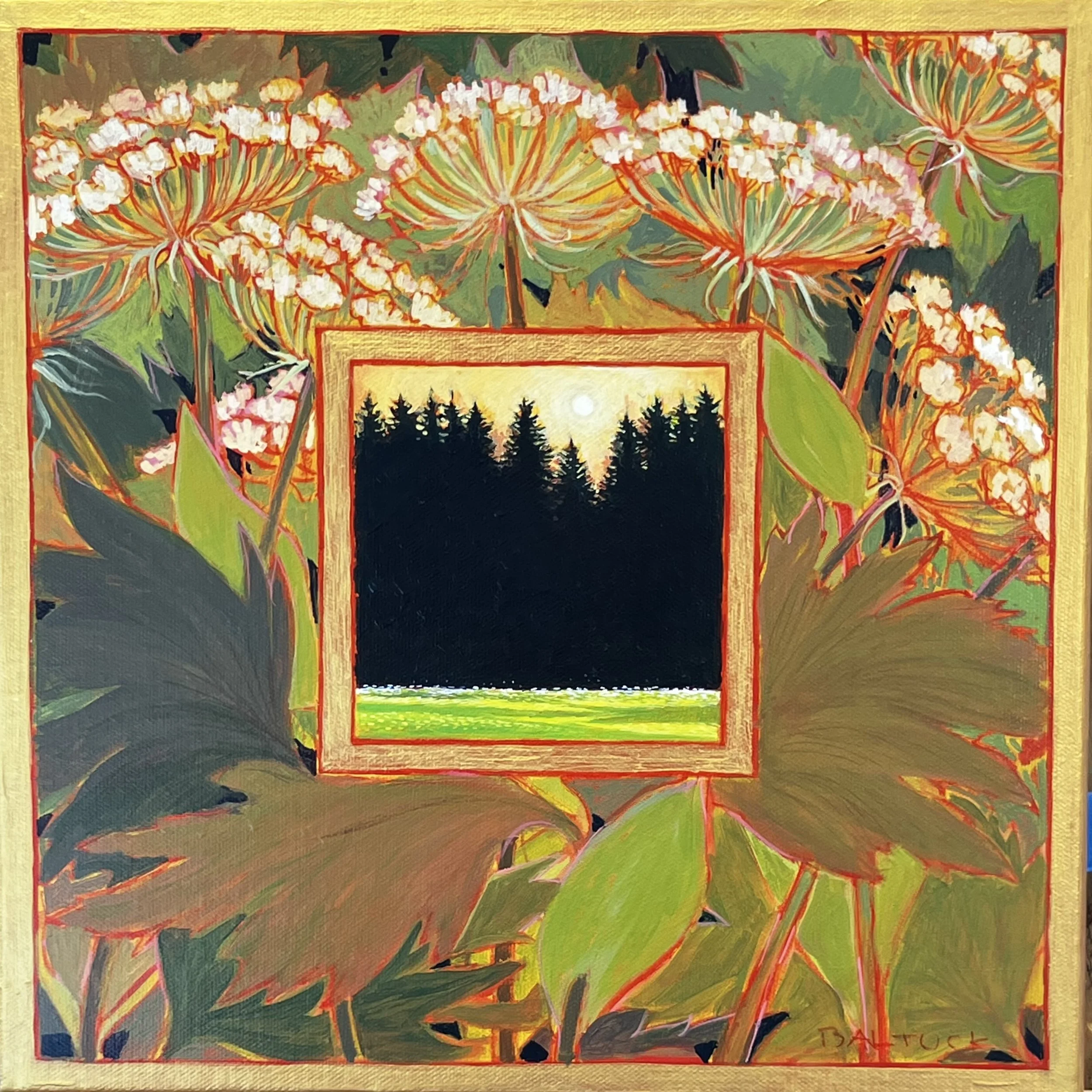
Artist: Constance Baltuck
Acrylic on canvas
11” x 11”
The Herbert River Wetlands conservation site protects the tidally influenced reach of the Herbert River and surrounding wetland and forested habitats. Migratory birds, including some listed as species of concern, nest among these 98 acres of complex riparian and wetland habitats. The parcel also provides public access to the Windfall Lake and Boy Scout Beach trailheads.
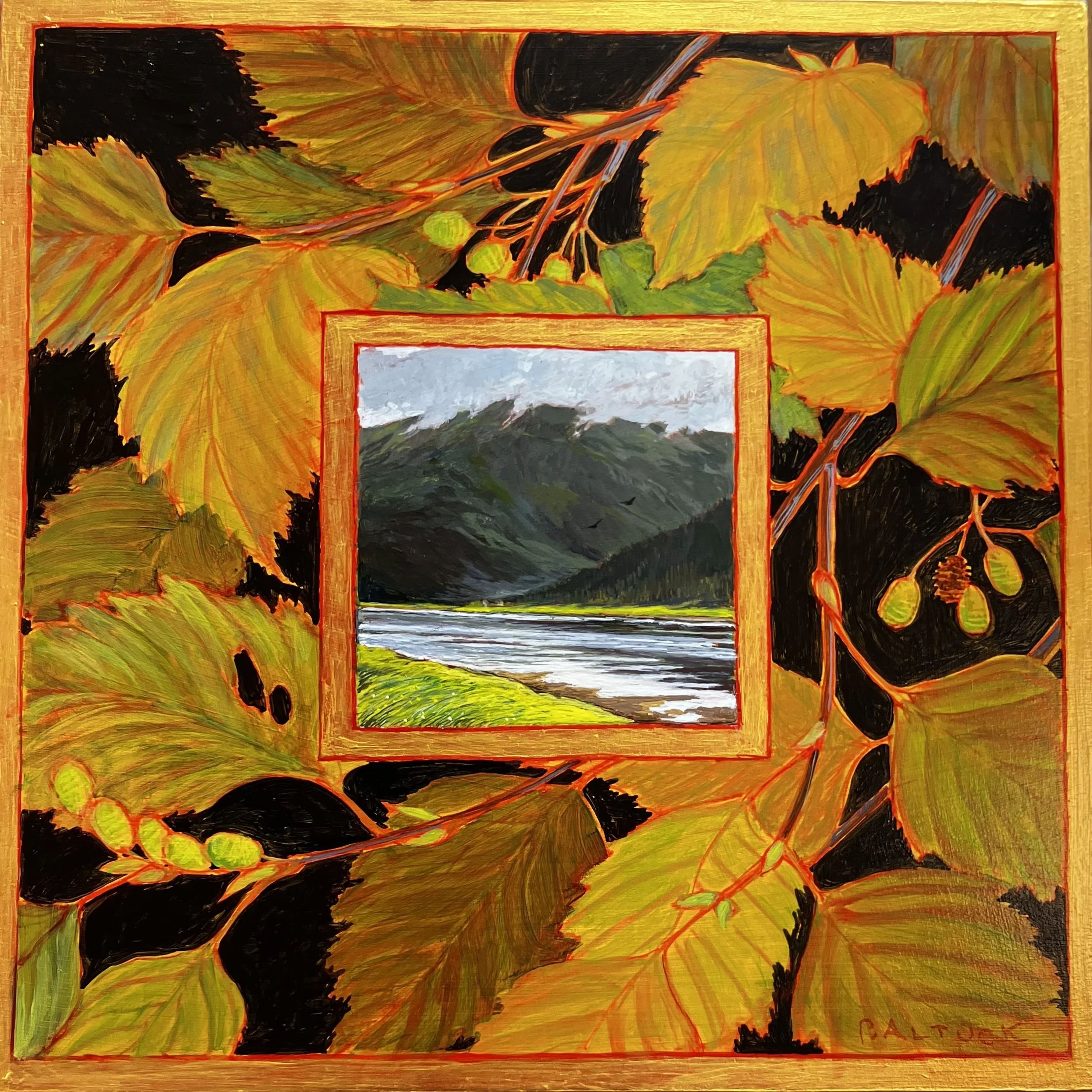
Artist: Constance Baltuck
Acrylic on Masonite
11” x 11”
The Marjory & Edgar Huizer Fishing Access Site is located adjacent to the Mendenhall Wetlands State Game Refuge and provides the public with year-round access to the Refuge. It was conserved by the SEALT to provide the Juneau community with public access and an open viewshed of the 3,800-acre Refuge, which is a globally recognized Important Bird Area and home to a diversity of native plant and animal species.
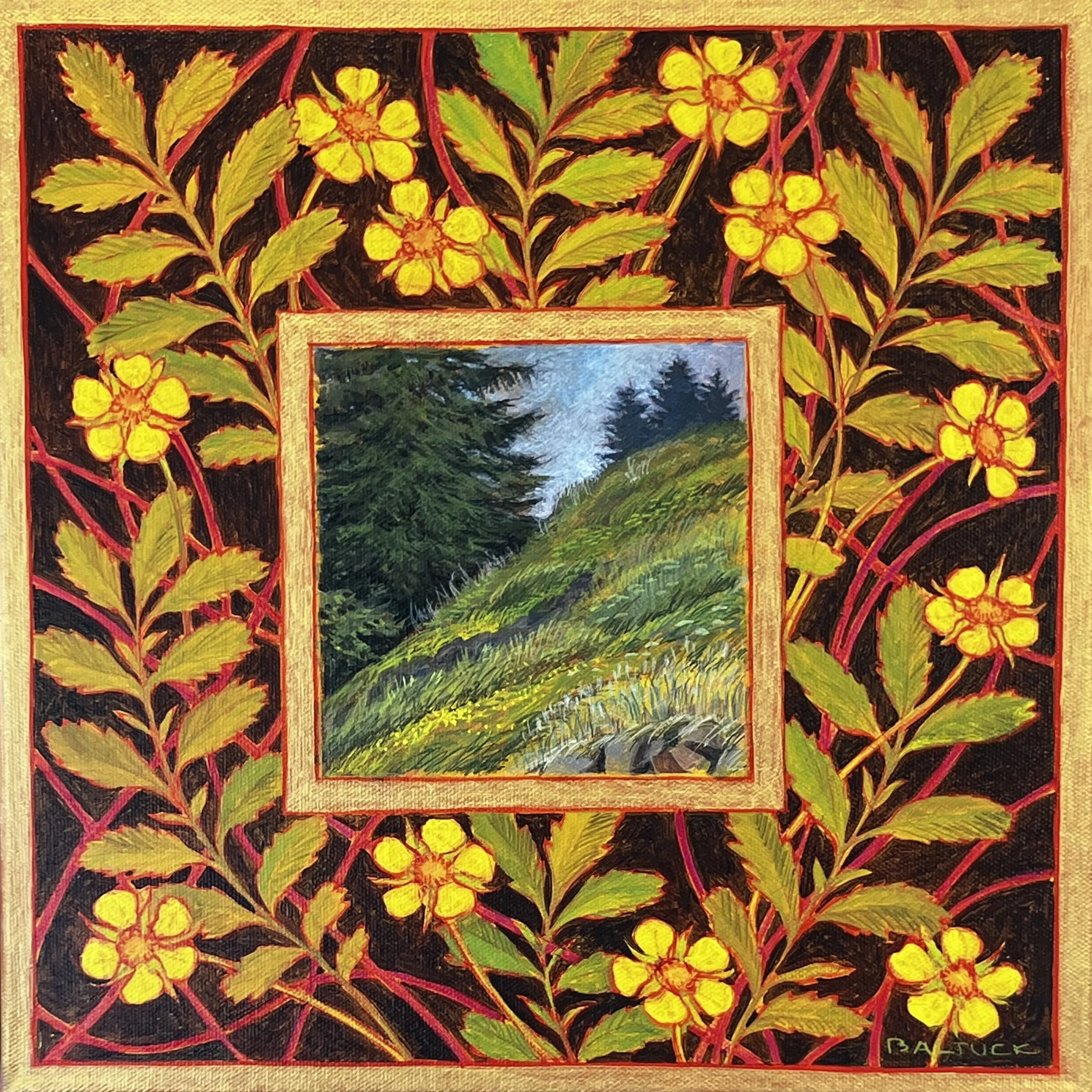
Artist: Constance Baltuck
Acrylic on canvas
11” x 11”
The Marjory & Edgar Huizer Fishing Access Site is located adjacent to the Mendenhall Wetlands State Game Refuge and provides the public with year-round access to the Refuge. It was conserved by the SEALT to provide the Juneau community with public access and an open viewshed of the 3,800-acre Refuge, which is a globally recognized Important Bird Area and home to a diversity of native plant and animal species.
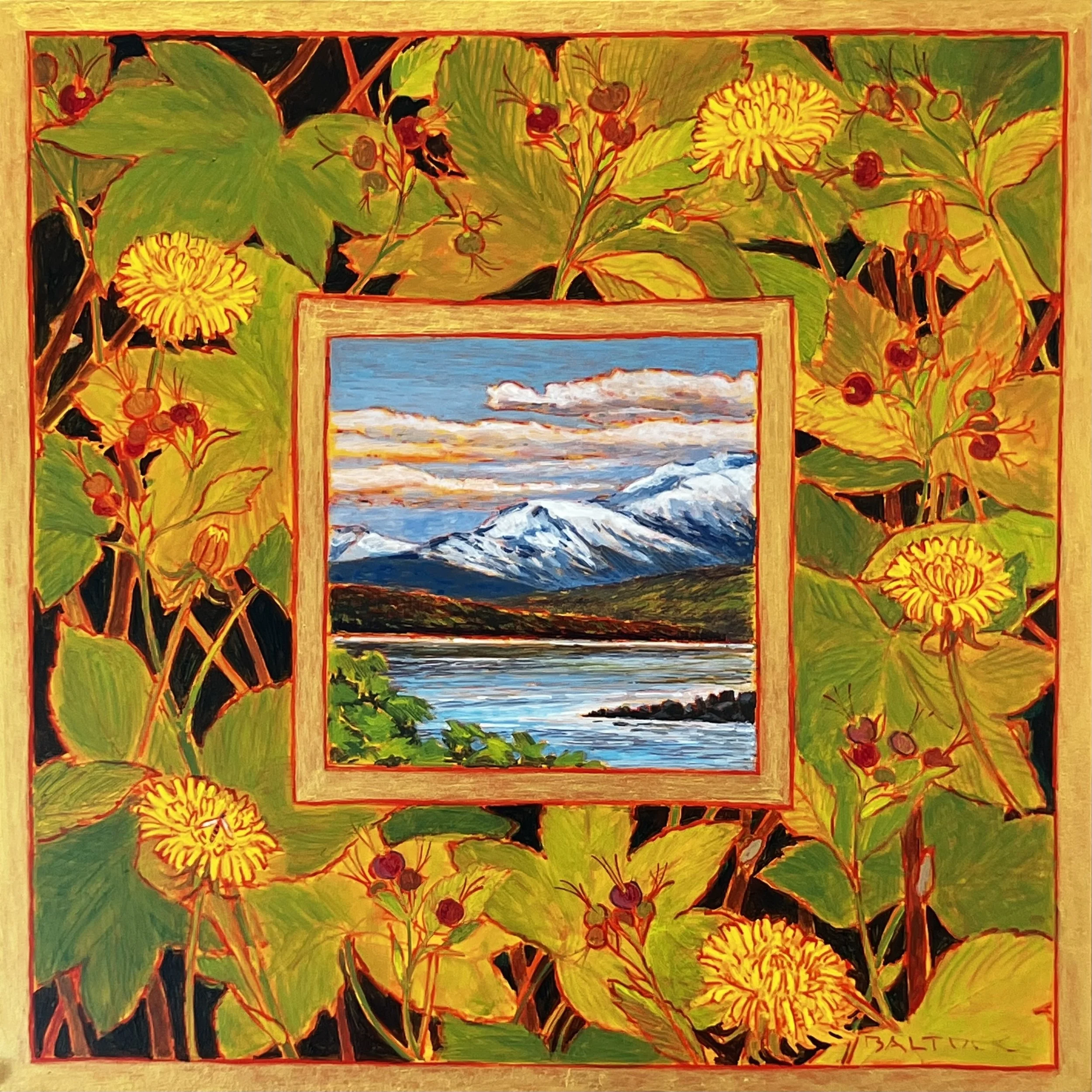
Artist: Constance Baltuck
Acrylic on Masonite
11” x 11”
The Jensen-Olson Arboretum was the first conservation site protected by SEALT in 1998. Caroline Jensen, a longtime Juneau resident and Master Gardener, granted a conservation easement of the property to SEALT and gifted the property to the City and Borough of Juneau to protect its natural, agricultural, scenic, open space, and historical values. It was Caroline’s wish to establish an arboretum and botanical garden on the property for public use and enjoyment. The site is open to the public year-round and houses the American Public Gardens Associations Plant Collections Networks nationally-accredited collection for the genus Primula. Some of the species seen here are rarely grown anywhere else in North America.
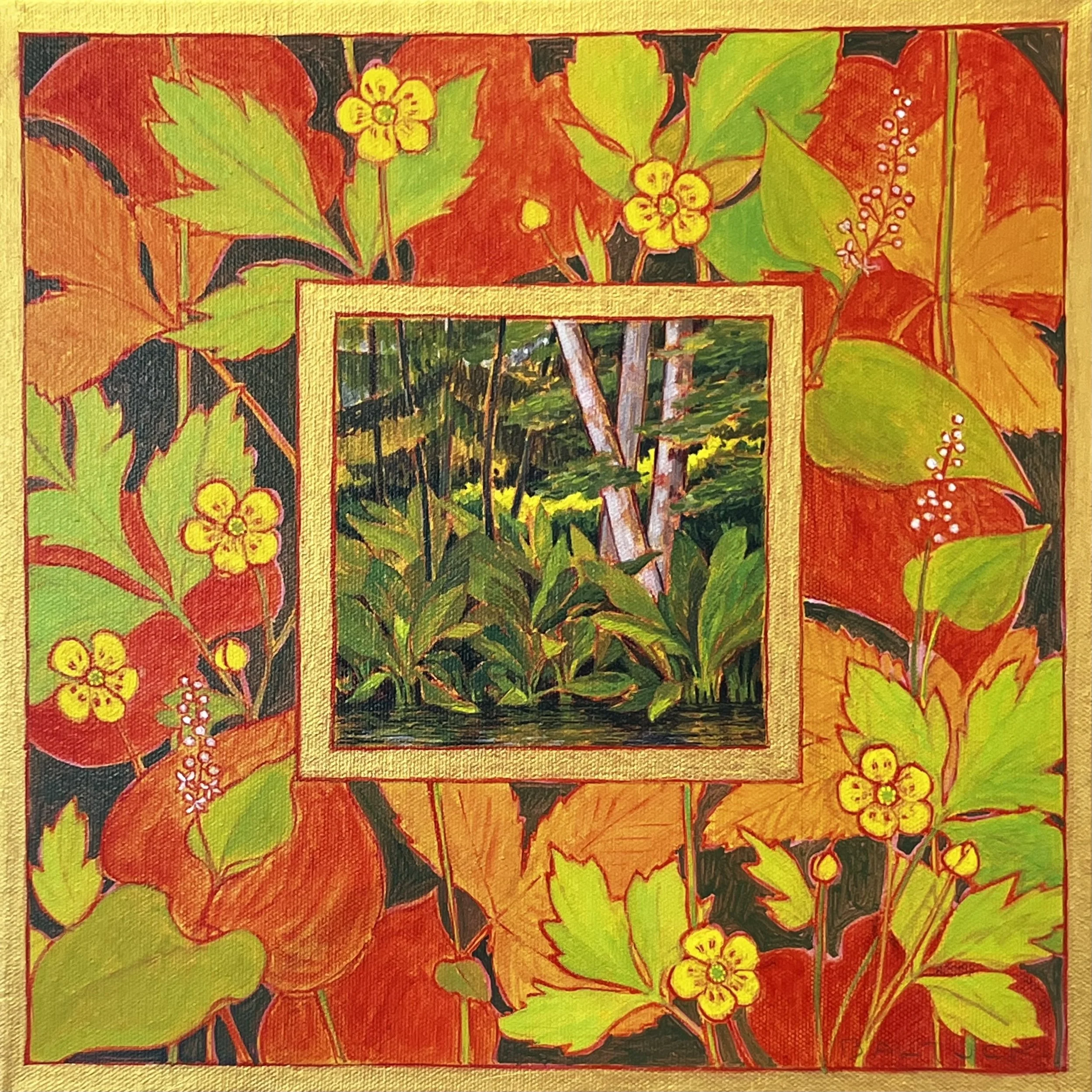
Artist: Constance Baltuck
Acrylic on canvas
11” x 11”
SEALT's Otter Pond conservation site protects one of the last sizable, undeveloped portions of the Lemon Creek wetlands complex. The site's namesake is a small, shallow, marshy anadromous pond located in the northwestern region of the property which is known to have historically been a a spawning site for chum and pink salmon, a rearing location for coho salmon and Dolly Varden trout, and - you guessed it - a home to otters! In the forested uplands in the eastern region of the property, several streams flowing down from Blackerby Ridge cross the parcel before draining into Vanderbilt Creek. A small subdivided portion of the parcel also serves as SEALT's headquarters. In 2025, following SEALT's acquisition of the property, it was determined that an existing building would be suitable as a long-term office space for SEALT. The Otter Pond parcel remains a resilient wildlife stronghold and is open year-round to the public for passive recreation, including hiking, wildlife viewing, foraging, and exploring.
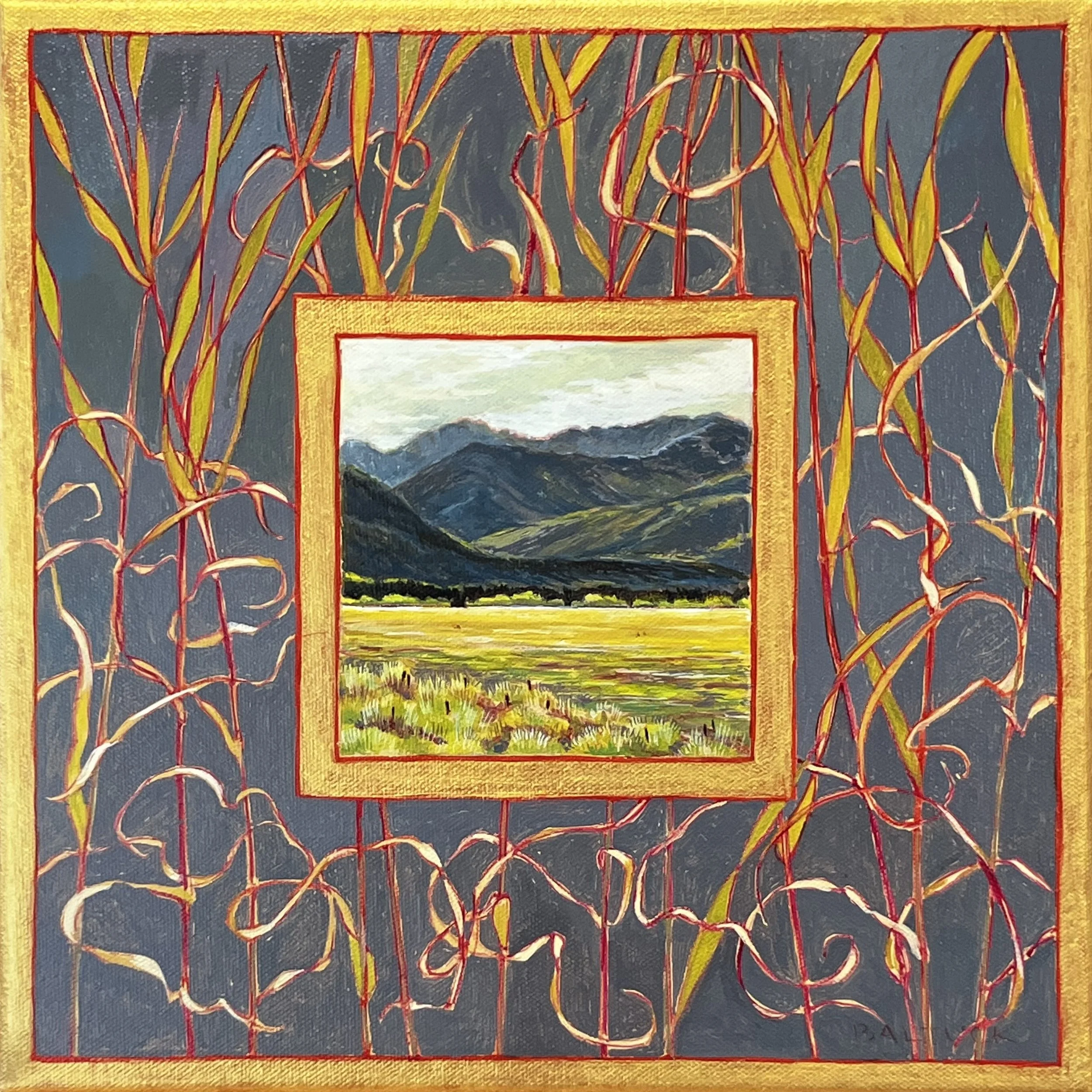
Artist: Constance Baltuck
Acrylic on canvas
11” x 11”
The conservation parcels at Sunny Point protect marshes that are part of the larger Taashuyee-Chookan.aani (or Mendenhall Wetlands complex), a globally recognized Important Bird Area that supports 255 bird species. These marshes are dense with lyngbye sedge, one of the most important plants on the wetlands for Canada Geese and other waterfowl. Lyngbye sedge also serves marine food chains by trapping algae that feed juvenile fish.
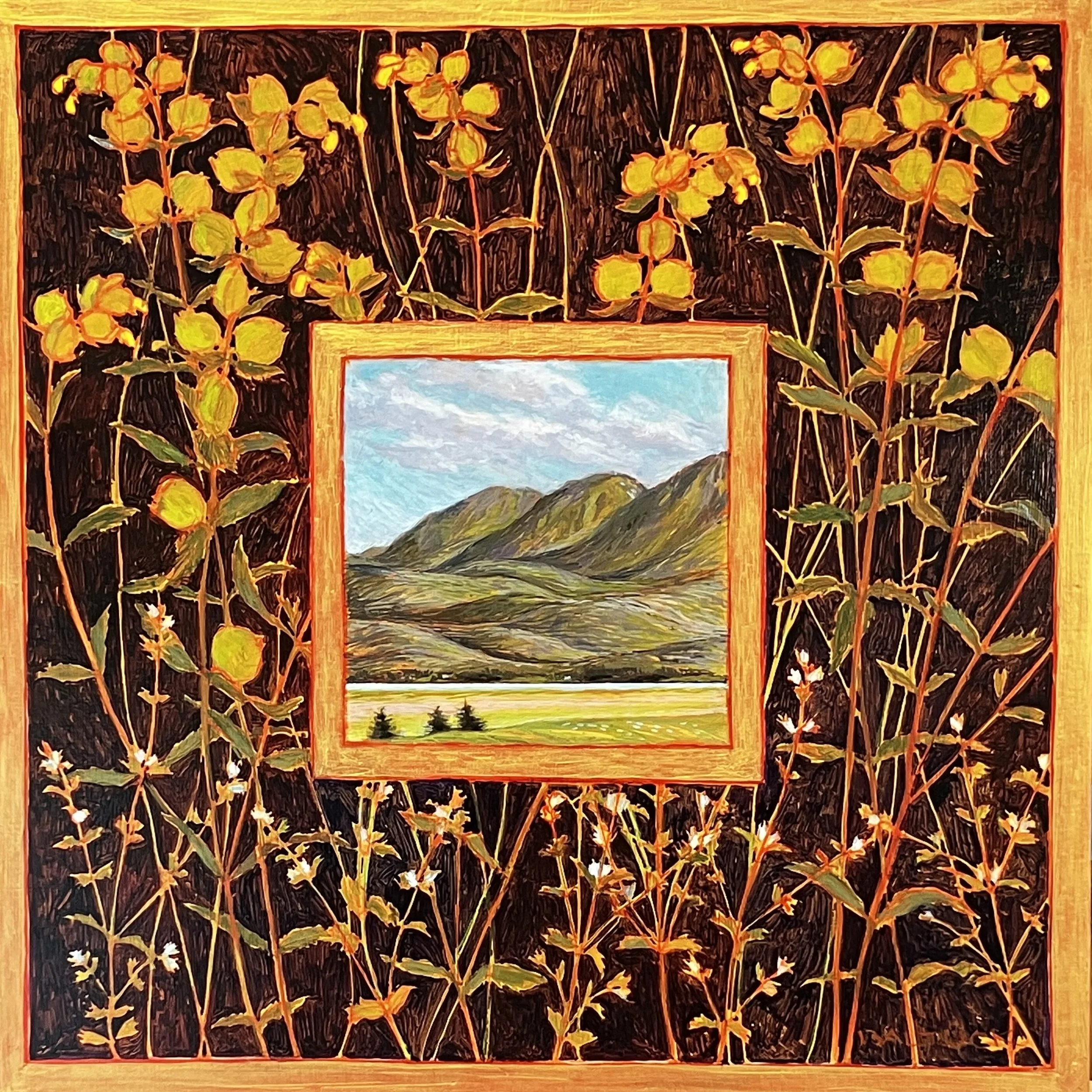
Artist: Constance Baltuck
Acrylic on Masonite
11” x 11”
The conservation parcels at Sunny Point protect marshes that are part of the larger Taashuyee-Chookan.aani (or Mendenhall Wetlands complex), a globally recognized Important Bird Area that supports 255 bird species. These marshes are dense with lyngbye sedge, one of the most important plants on the wetlands for Canada Geese and other waterfowl. Lyngbye sedge also serves marine food chains by trapping algae that feed juvenile fish.
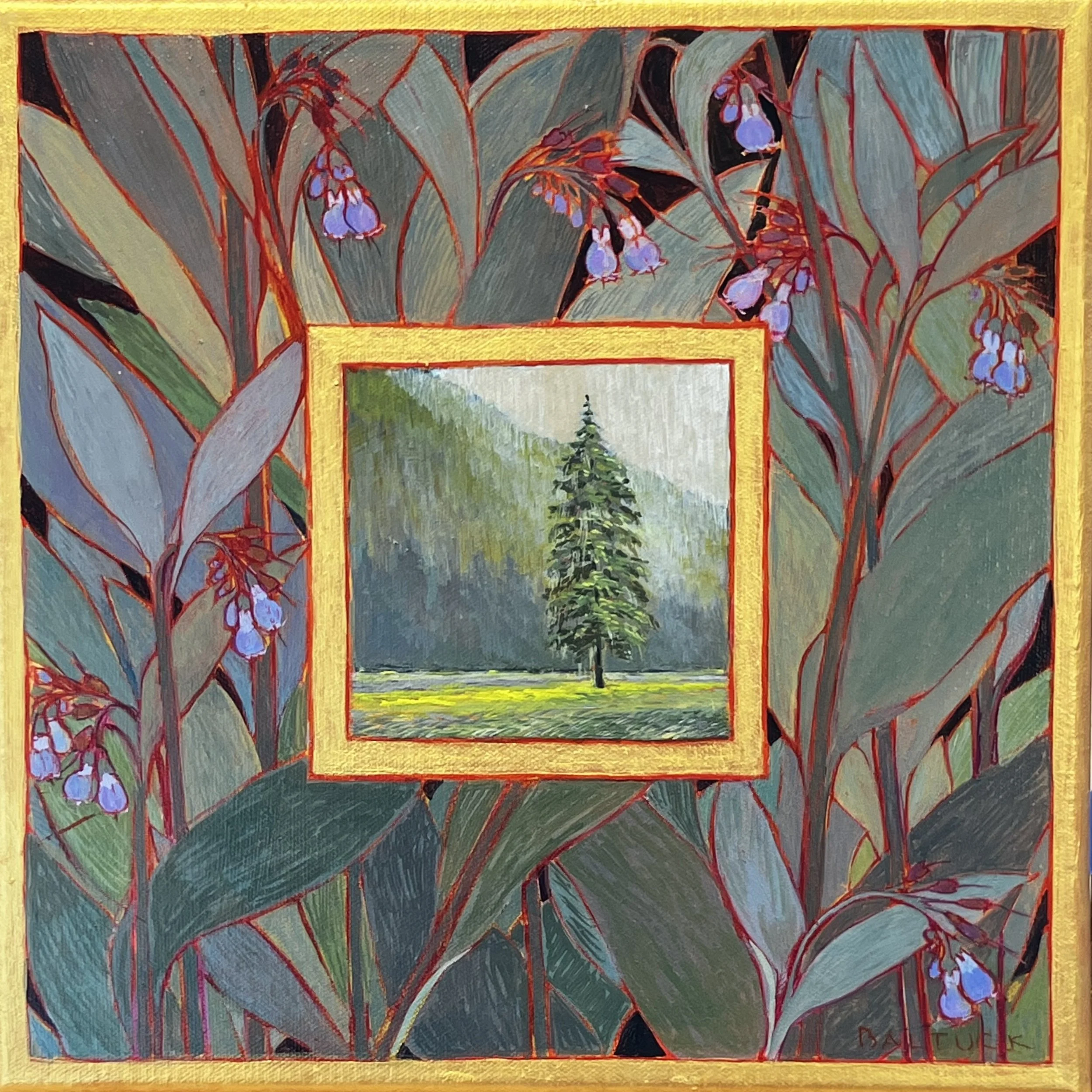
Artist: Constance Baltuck
Acrylic on canvas
11” x 11”
SEALT's Vanderbilt Creek conservation site protects important wildlife habitat and green space within the largely developed Lemon Creek valley. In addition to protecting valuable wetland habitat, the site provides an important protective buffer for Vanderbilt Creek, an anadromous stream that serves as spawning habitat for coho, pink, and chum salmon as well as rearing habitat for coho salmon and Dolly Varden trout. The site is likewise open to the public for non-impactful uses including hiking, wildlife viewing, foraging, scientific research, and educational programming.
No results match your search. Try removing a few filters.